
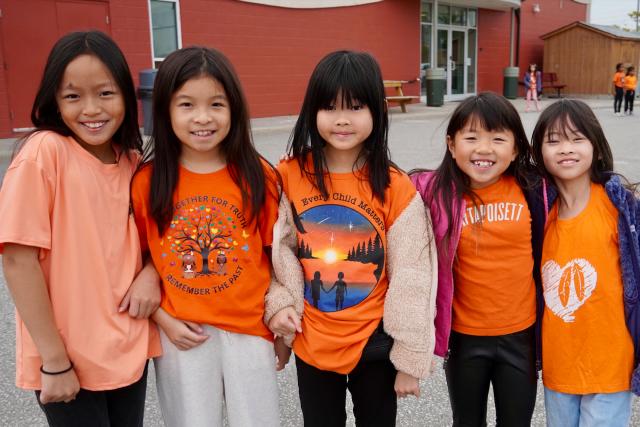
On Wednesday, September 30th, staff and students wore orange to observe the National Day for Truth and Reconciliation. Throughout the week, students have been partaking in activities to learn more about and reflect upon some of the historical injustices inflicted upon Indigenous peoples—including the suppression of Indigenous language and culture, land dispossession, and the forced separation of over 150,000 children into the residential school system. Even our youngest pupils participated in simple activities to mark the day.
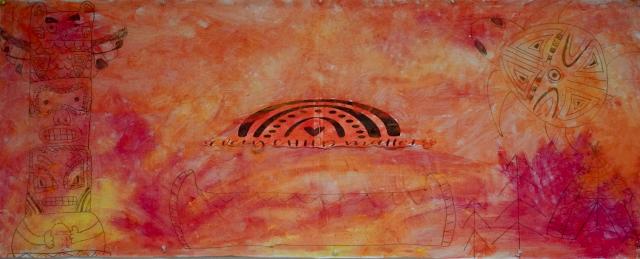
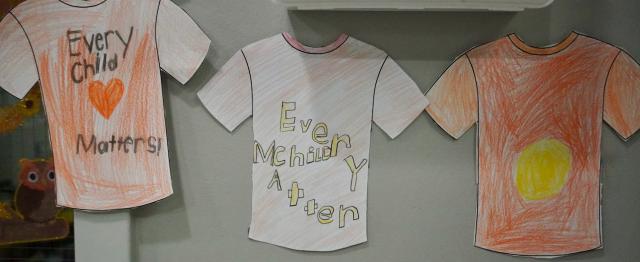
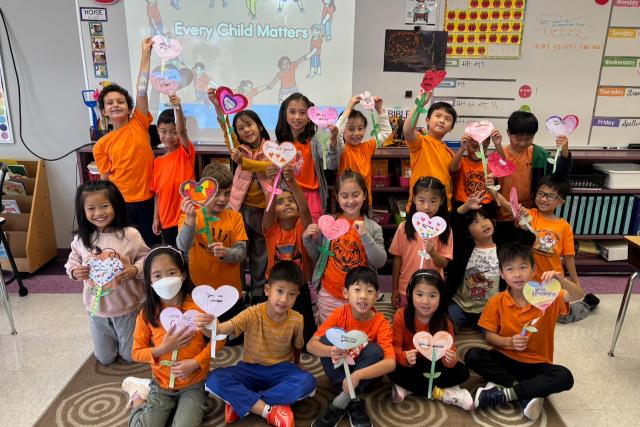
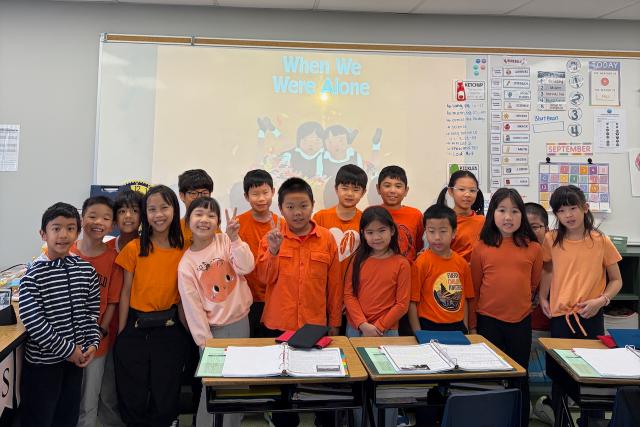
In the elementary division, primary students focused on learning about residential schools, the story behind Orange Shirt Day and how every child matters. In Grade 1, students created their own orange shirt while those in Grade 2 created paper heart gardens to honour the survivors and children who did not return home. Grade 3 students watched a reading of When We Were Alone by David A. Robertson and Julie Flett. This is a simple but powerful residential school story that also allowed the students to hear and learn words in Cree.
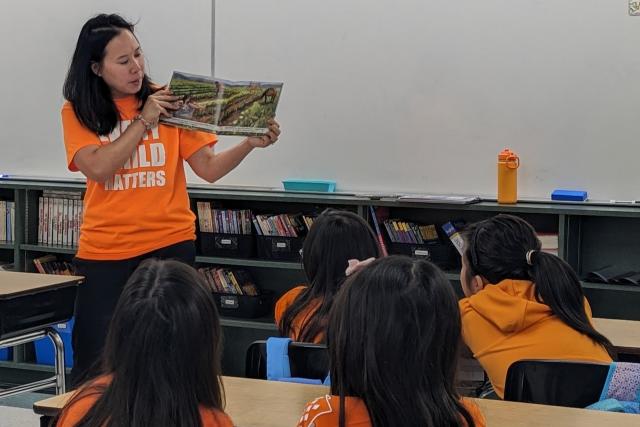
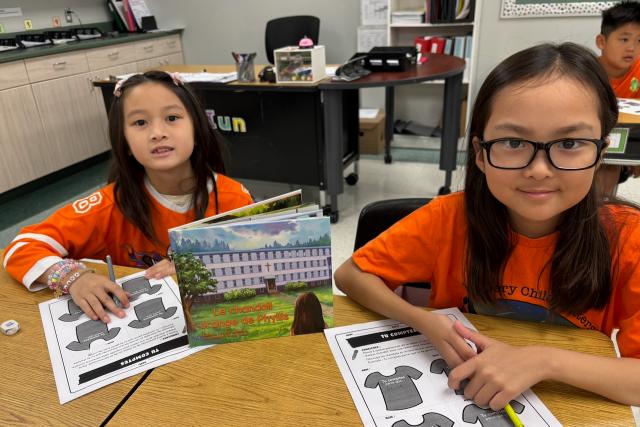
Grade 4 students read Le chandail orange de Phyllis (Phyllis’s Orange Shirt) as a class and completed simple cards in French for their friends to explain why they matter.
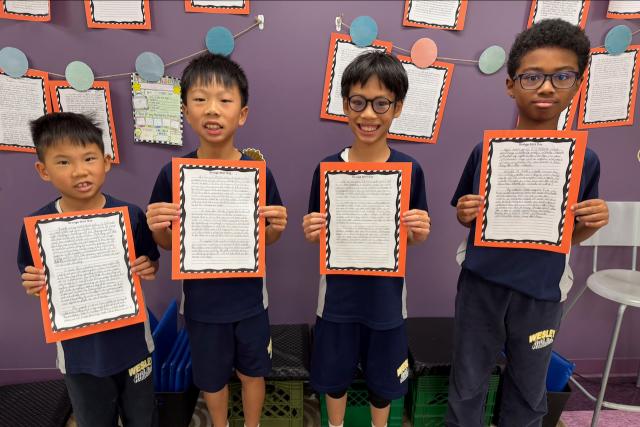
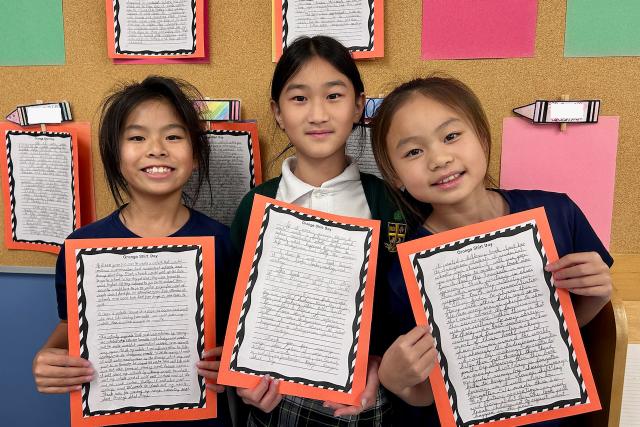
In Grade 5, the classes read and discussed Stolen Words by Melanie Florence. This is a beautiful story about the relationship between a grandfather and his granddaughter. He revealed the loss of language and culture (from his time at residential school) but also how healing can be shared. To respond, the students were given a writing assignment. They were asked to answer – How I would use $10,000 to organize an event to honour Truth & Reconciliation Day. Many talked about building websites, writing books, making podcasts, and YouTube videos to inform people about what happened to Indigenous peoples and to support their healing.
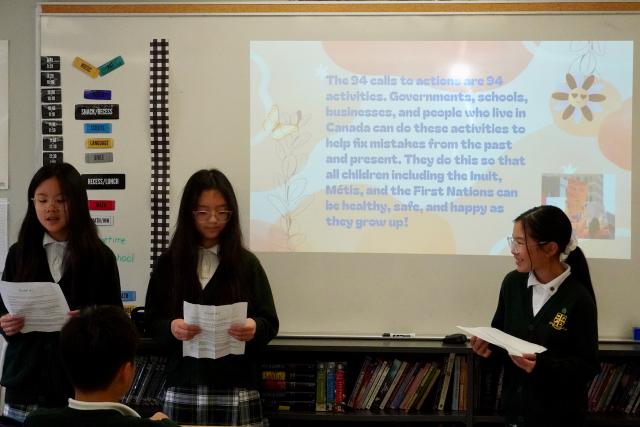
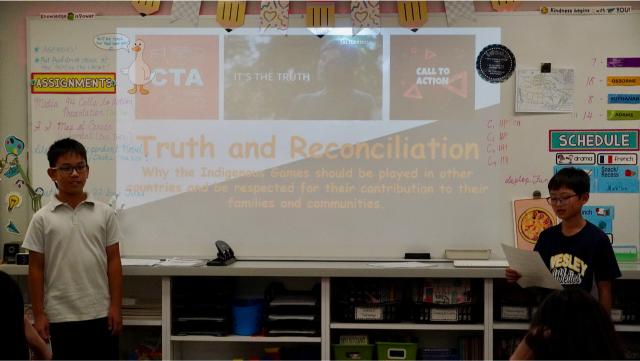
Our students in Grade 6 learned about the Truth and Reconciliation Commission’s 94 Calls to Action. Students were asked to work in groups and prepare a short presentation about one call to action. They had to explain why they chose it, what the call means, and how they can personally answer the call. Some students even integrated quizzes to keep their fellow classmates stay challenged!
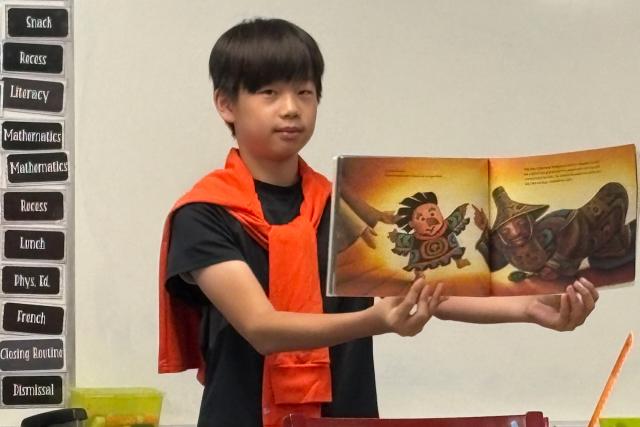
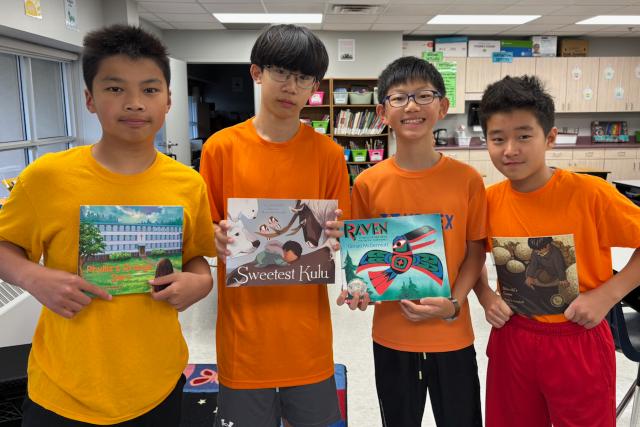
In our Grade 7 classrooms, students examined some First Nations myths and stories about residential schools. Students then chose and presented a story to the class.
Our Grade 8 students participated in National Day of Truth and Reconciliation activities by doing it in French. They read Chaque Enfant Compte (Every Child Matters) as a class and provided written answers in French to respond to comprehension questions.
We give thanks for the opportunity to listen, learn and acknowledge this part of our country’s history. We pray that the Lord will work in our hearts to grow in compassion and justice for those who have been wronged. May He bring deep healing to renew and strengthen future generations of Indigenous peoples.